Adding a timber pavilion to your property is one of the best investments you can make in your outdoor living space. But before the kit arrives, there is some important groundwork that needs to happen. Getting the pavilion foundation and site prep right means your structure will sit level, stay solid, and perform the way it should for decades.
Here is everything you need to know before your timber pavilion goes up.
What Size Foundation Do You Need for a Pavilion?
This is the question we hear most often, and the answer is straightforward. We recommend at least a 12×12 pier or footer under each pavilion post. This gives every post a stable, independent base to sit on and prevents shifting over time. A foundation that extends 12 inches around each post is the standard for distributing the load of a heavy timber structure.
The type of foundation you choose depends on your budget, your soil conditions, and how you want the finished floor to look. But the 12×12 minimum under each post is non negotiable for a structure that is going to last.
Choosing the Right Pavilion Foundation Type
You have a few solid options when it comes to your pavilion footings. Each one works, but they serve different situations.
Concrete piers are the most common choice for timber pavilion foundations. A 12×12 concrete pier poured below the frost line gives each post its own independent footing. This is a great option if you want to leave the ground underneath the pavilion as grass, gravel, or natural stone. Piers use less concrete than a full slab, and they allow flexibility with your flooring later on.
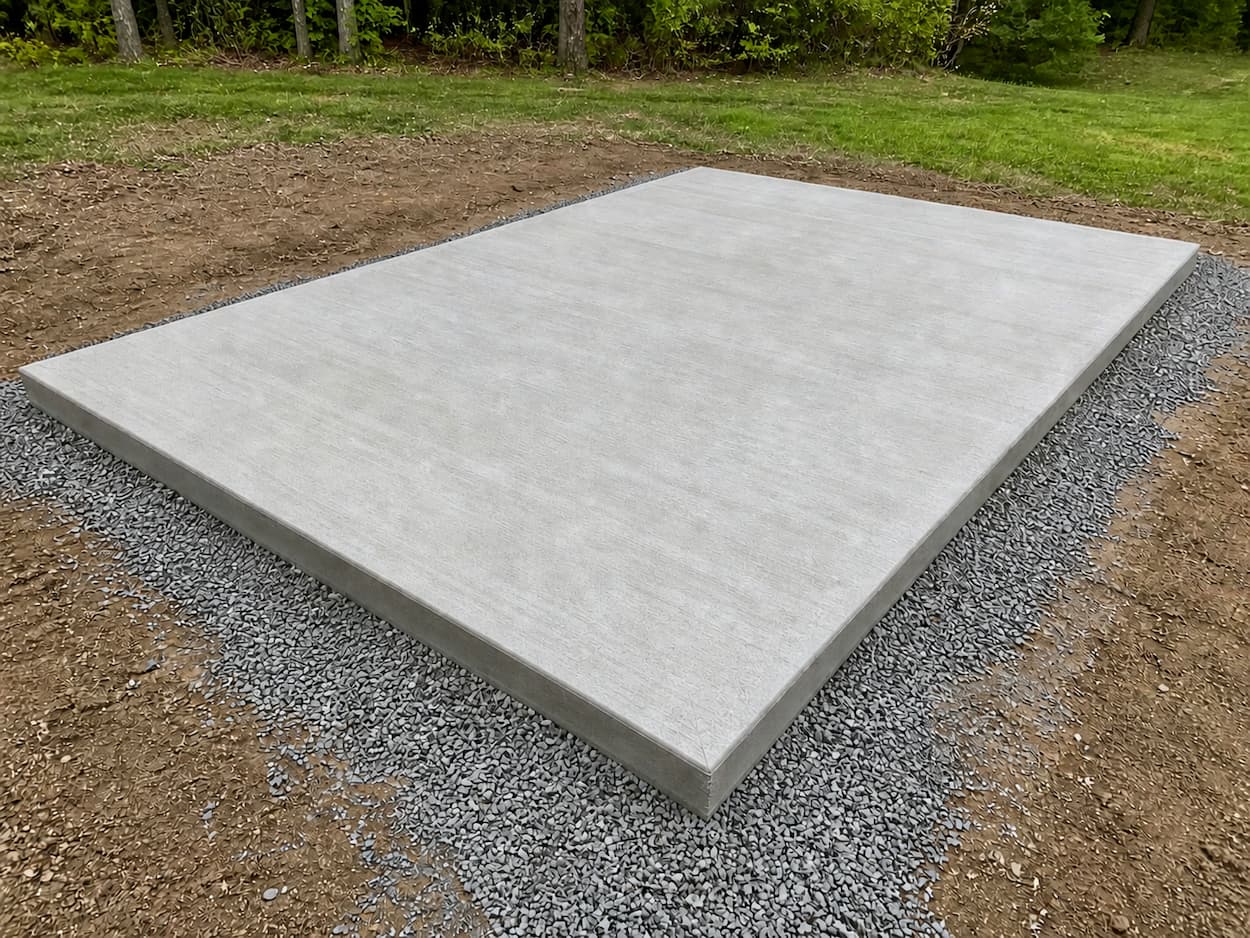
A full concrete pad is the premium option. Pouring a slab gives you a clean, finished floor under the entire pavilion. It also makes it easy to set up outdoor furniture, a dining table, or even an outdoor kitchen underneath. If you go this route, make sure the concrete pad extends at least 12 inches beyond the post locations on all sides.
Sonotube footers are another solid choice for pavilion post footings. These are cylindrical cardboard forms that you set in the ground and fill with concrete. They work well in areas with softer soil or where you need to get below the frost line without digging a massive hole.
No matter which route you go, the key is making sure the top of each pier or footer is level with the others. Even a small difference in height between posts will show up as a visible lean once the timber frame is built.
Start With a Level Site
Before you think about concrete, walk your property and pick a spot that is as naturally flat as possible. A slight slope can be graded out, but a steep hillside adds significant cost and complexity to the pavilion site prep. You want a location that drains well and does not hold standing water after a heavy rain.
If you are working with a slope, plan on having a contractor bring in fill dirt or cut the grade before anything else happens. The finished pad surface needs to be level in both directions.
Call 811 Before You Dig
Before you dig anything for your pavilion foundation, call 811. This is the national “call before you dig” number and it is free. They will come out and mark any buried utility lines on your property so you do not hit a gas line or a fiber optic cable while digging footers. It usually takes a few days to complete, so plan ahead.
If you plan to run electrical to the pavilion for lights, fans, or outlets, now is the time to trench the conduit. It is much easier to run wiring before the pad is poured than to cut into concrete later.
Plan for Drainage
Think about where water goes when it rains. Your timber pavilion roof is going to shed a significant amount of water, and all of that is going to come off the eaves. If the ground around the pavilion does not slope away from the structure, you will end up with puddles and mud right where your guests are walking.
A simple French drain or gravel border around the perimeter can solve this. Plan for drainage during site prep so you are not dealing with erosion problems after the fact. This is one of the most overlooked steps in pavilion foundation prep, and getting it right up front saves a lot of frustration later.
Make Sure Your Site Is Accessible for Delivery
Timber pavilion kits are heavy. The lumber is going to arrive on a truck, and that truck needs to be able to get close to your build site. Make sure there is a path wide enough for a delivery vehicle and that the ground is firm enough to support the weight.
If your build site is in the back of the property, you may need to plan for a skid steer or equipment to move materials from the drop point to the final location. Talk to your pavilion supplier about delivery logistics before the kit ships so there are no surprises on delivery day.
Site Prep Checklist
Before your timber pavilion kit arrives, make sure the following is handled.
The site is cleared of any brush, roots, or debris. Footer or pier locations are marked and dug to the proper depth below the frost line. Concrete is poured and cured (give it at least 48 to 72 hours before building on it). All footers are level with each other. Underground utilities are marked and avoided. Any trenching for electrical is completed. The delivery path is clear and accessible for the truck.
Hiring a Contractor vs Doing It Yourself
Some homeowners handle the pavilion site prep themselves, especially if they have experience with concrete work. Others bring in a local contractor for the foundation and then either build the pavilion kit themselves or hire a crew for that portion.
Either way, the foundation is the one part you do not want to rush. A timber pavilion built on solid footers will last a lifetime. A pavilion built on a questionable base will give you problems from day one.
Ready to Get Started?
If you are thinking about adding a timber pavilion to your property and want to see what size and style would work best, try our Pavilion Configurator to explore your options. You can adjust the dimensions, wood species, roof style, and get an estimated starting price in real time.
When you are ready to move forward, we will walk you through everything from site prep to delivery.